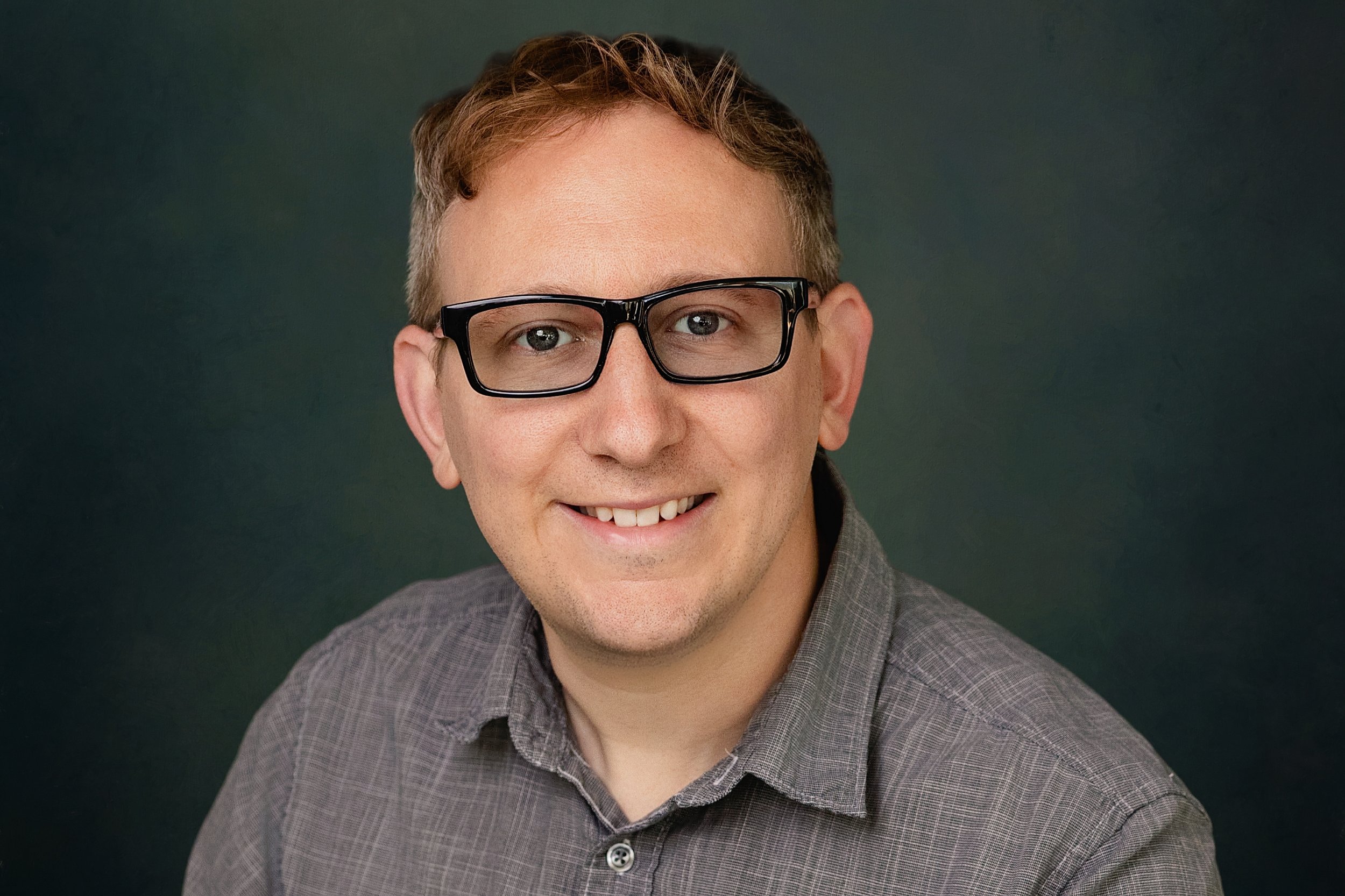
Ryan Plasch Counselor, MS, LPCC
Therapist for Anxiety, Depression & Trauma. Providing online counseling services in the State of Minnesota
Virtual therapy for individuals and couples in Minnesota ready to break stuck patterns, build momentum, and reclaim meaning.
I’m a Minnesota-based Licensed Professional Clinical Counselor (LPCC) with a Master of Science (MS) in Clinical Mental Health Counseling from Walden University. I specialize in working with people experiencing anxiety, depression, trauma, and PTSD. I partner with you to uncover what’s beneath the surface, take meaningful action, and create change you can live with.
Maybe you’re feeling stuck—overwhelmed by worry, fatigue, or the weight of the past. Maybe a relationship is strained, or you’re living with depression and wondering if things must stay this way. I see individuals and couples who are ready for more than just coping. They want momentum, clarity, and a life that feels true to them.
Together we’ll ask: What part of this is really yours? What keeps repeating? How can you move forward with purpose?
Ryan’s Therapeutic Approach
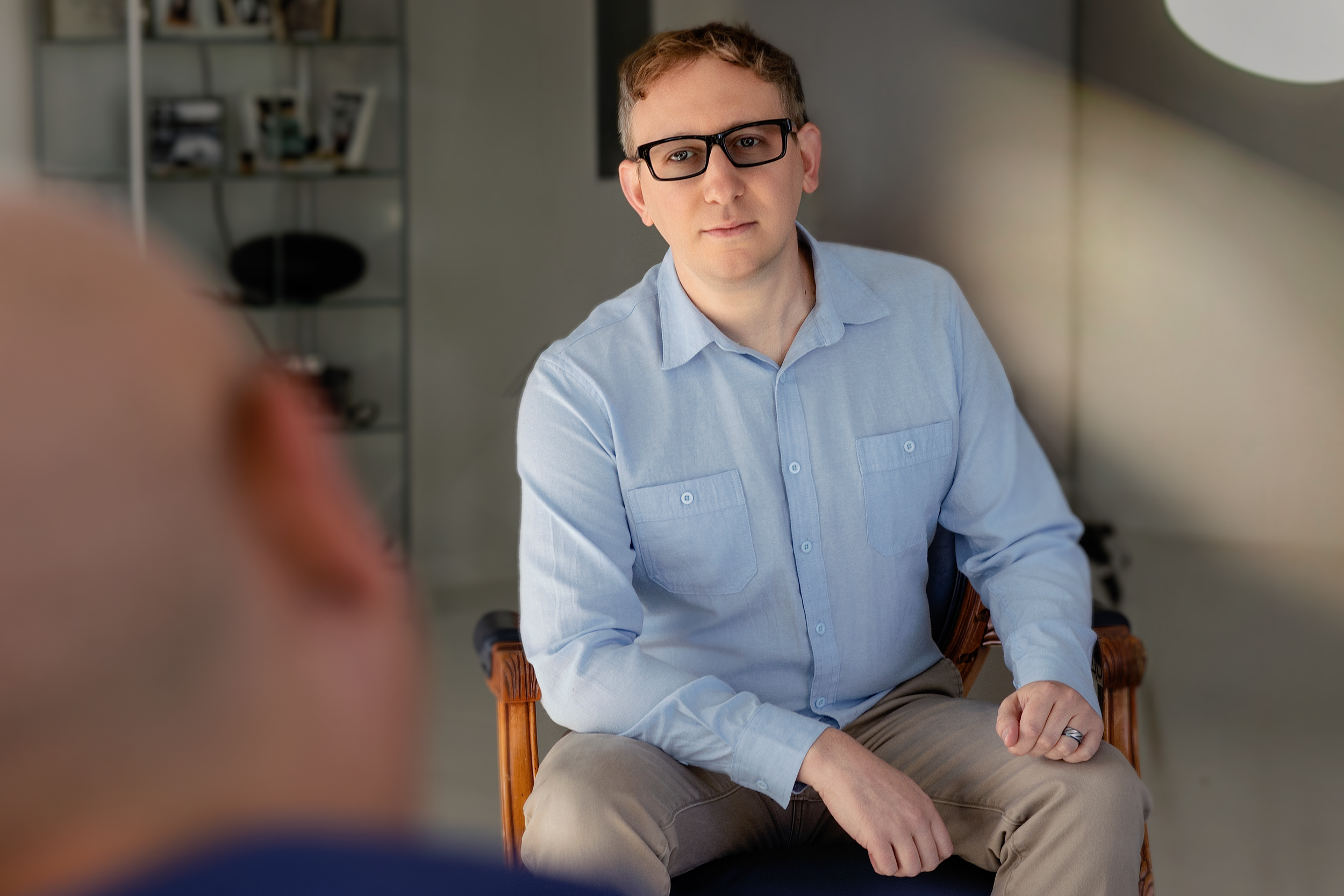
You’ll find in me a grounded, curious, and collaborative therapist. I don’t believe in a one-size-fits-all method. We work together to tailor therapy to your goals and strengths. My work draws from Cognitive Behavioral Therapy (CBT) and Acceptance & Commitment Therapy (ACT), along with mindfulness, narrative work, and practical tools you can apply in everyday life.
I see therapy as a partnership—one that’s honest, compassionate, and sometimes even lighthearted. Change doesn’t have to feel clinical; it can be real, human, and empowering.
Ryan’s Services
-
Description text goes here
-
Description text goes here
-
-
(COMING SOON) For fathers ready to reconnect with themselves and their families
Ryan’s Training, Certifications & Specialties
Education
Ryan received his master’s degree (MS) in Clinical Mental Health Counseling from Walden University and is a Licensed Professional Clinical Counselor (LPCC) in the state of Minnesota. He has extensive experience working in both community mental health and private practice settings, supporting individuals through anxiety, depression, trauma, and major life changes.
Specialties
He specializes in anxiety, depression, trauma recovery, life transitions, and men’s mental health. Ryan is especially passionate about helping fathers strengthen their connection, purpose, and confidence through his signature program, Launchpad Dads. He also works with individuals navigating grief, relocation, and the search for identity and meaning during challenging seasons of life.
Areas of expertise:
Addiction
Anger Management
Bipolar Disorder
Cancer
Codependency
Drug Abuse
Dual Diagnosis
Family Conflict
Grief
Infertility
Life Transitions
Marital and Premarital
Men's Issues
Parenting
Pregnancy, Prenatal, Postpartum
Psychosis
Relationship Issues
Sleep or Insomnia
Spirituality
Substance Use
Suicidal Ideation
Video Game Addiction
Ryan’s Therapeutic modalities and approaches

-
Acceptance and Commitment Therapy (ACT) helps you stop battling your thoughts and feelings so you can focus on living the life you want. Instead of waiting to “feel better” before moving forward, ACT teaches you how to accept your emotions, make room for them, and still take meaningful steps toward what matters most.
-
Attachment-Based Therapy focuses on how early relationships shape your development and emotional patterns. By exploring these connections, it helps improve relationships, emotional understanding, and personal growth.
-
Christian Counseling integrates faith and emotional well-being, helping clients develop coping strategies aligned with their beliefs. It draws on Christian principles to address challenges like depression, anxiety, grief, relationship issues, and anger, while supporting clients in bringing their whole selves to therapy.
-
CBT is a proven approach that helps you see how your thoughts affect your feelings and actions. By shifting unhelpful patterns, you’ll gain tools to manage depression and anxiety and build healthier habits. With your therapist’s guidance, you’ll practice strategies in and out of sessions to create lasting change.
-
Existential Therapy helps clients confront life’s challenges by creating their own meaning and exercising the freedom to choose. Focusing on the present and future, it encourages taking responsibility for decisions and facing anxieties head-on to live a purposeful, self-directed life.
-
Family and Marital Therapy helps couples and families improve communication, strengthen positive connections, and address challenges to repair and enhance their relationships.
-
The Gottman Method helps couples build lasting relationships by strengthening friendship, managing conflict, and supporting each other’s goals. Based on the “Sound Relationship House,” it focuses on seven key components that promote healthy, resilient partnerships.
-
Humanistic Therapy takes a positive view of human nature, focusing on your unique potential. By exploring creativity, love, and self-growth, it helps you achieve meaningful change and self-directed development. This approach includes methods like Gestalt, client-centered, and existential therapy.
-
Person-Centered Therapy puts you in the driver’s seat, letting you lead discussions and discover your own solutions. The therapist acts as a supportive, non-judgmental guide, listening and encouraging growth without directing the conversation, fostering self-discovery and personal insight.
-
Trauma-Focused Cognitive Behavioral Therapy (TF-CBT) helps individuals experiencing post-traumatic stress after a traumatic event process their experiences, reduce distress, and regain a sense of safety and well-being